Episode Transcript
[00:00:00] Speaker A: I had like a light bulb moment and this was through some coaching and consultants that I'd hired, but it was like, you're not, I wasn't in the website business. I was in the get more customers business. And so I'm like, well, I don't know how to do that, but I can be curious. And so for me, it was less about needing to understand exactly how we were going to solve a problem and more or less get really clear on what that problem was.
[00:00:26] Speaker B: G', day folks. Troy Dean here and welcome to the Agency Hour podcast where we help agency owners create abundance for themselves, their teams, their communities, their families. This is the final episode of this podcast for 2025.
It's been a couple of weeks, we've been extremely busy and we just didn't get to the podcast over the last few weeks. So sorry for the, the gap in broadcasting.
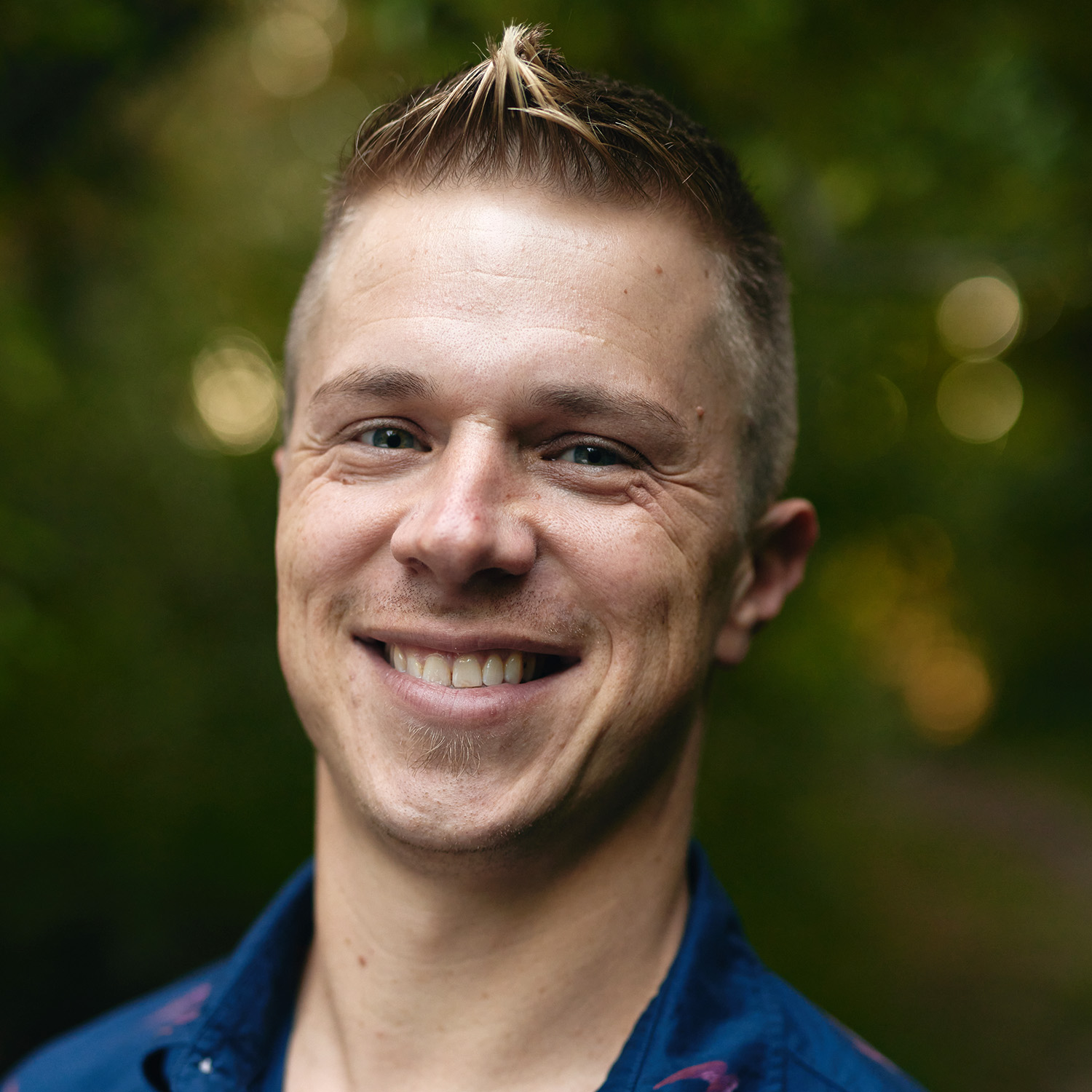
This is the final episode. Today my guest is Brent Weaver, who is the CEO of E2M, who are a partner of ours. They're a white label development and SEO and content agency and AI agency out of India and the us. Brent of course, was also the founder of Ugurus, who was a friendly competitor of mine for a long time. Brent and I have a great relationship. He recently went to India as the CEO of e2M and met with all the staff, had a, you know, company wide picnic of about six or seven hundred people, met all the staff and spent a couple of weeks hanging out there. And so we talk a little bit about that journey. We also go right back and talk about how we started in this kind of coaching space helping other agencies and why we do it. But before we dive in, I just want to give you a bit of a insight, a bit of a forecast into what's happening in 2026. AI is by no over exaggeration, AI is completely disrupting the world right now. I have a lot of friends of mine who are in their late 50s, early 60s who just cannot get a job right. They're being, they're, they're applying for jobs that on paper look like that job is a five person job, but it's not, it's a, it's a 35 or a 42 year old with a bunch of AI moving very quickly. And AI is completely disrupting everything and very much so disrupting our space. The digital marketing, the design, the creative design, the branding space.
I've been personally experimenting with vibe coding over the last few weeks and it is blowing my mind. What you can do, how fast you can build something from scratch.
That is world class and production ready. It's incredible.
So here's my message to all of you listening to this as we go into 2026.
I believe if you fast forward and you take AI to its logical conclusion, which is it will be able to do anything that we can do by tapping a keyboard and moving a mouse.
[00:03:01] Speaker A: Right?
[00:03:01] Speaker B: There are plugins and extensions and workflows and products now that allow you to go to figma, use AI to design a beautiful website, import that directly into a Vibe coding tool, code the back end of it, you know it then, then import that into WordPress and it will set it up as elementor pages that you can then edit in elementor, right? It's unbelievable. I mean, even Figma make, you could probably just do this in Figma make without using the Vibe coding bit in the middle. Or you can just use Vibe coding to design an amazing website and import that straight into WordPress without using Figma on the front end.
It's what you can do in a couple of hours now. Used to take us days or weeks. I mean, that's just one example, like any thing that we do for ourselves or our clients. SEO. Look at what the guys at Search Atlas are doing with AI social media. Look at what the guys at Pressmaster AI are doing with social media and thought leading content, right?
Design, development, emails, content copy. Look at, you know, research. Look at what if you want to become an expert or something, look at what poppy AI are doing. You know, you just basically throw a whole bunch of YouTube videos and blog posts and content into a brain and within a couple of minutes you can become an expert at something. Well, here's where I think, and I've been saying this for a long time, is that the most valuable seat in this ecosystem is the person that sits between the client and, and the technology. It was true when WordPress came out, it was true when WordPress released custom post types and it was true when page builders, when page builders happened, everyone shit the bed and thought, well, that's it, we're out of a job. Because now you can just log into WordPress News Elementor to build your own website. Of course it didn't happen. You became more valuable because there was more technology to help the client wrangle. So I believe your job is to sit with a client, ask them questions, work out what their problems are and design a plan to help them solve those problems and achieve the goals that they want to achieve, and then use the technology to deliver that so that you can deliver it profitably and serve more clients, right? So getting paid to pitch and close a new client is the future in 2026.
Sit with a client, make sure they're a good fit. Pitch them a digital roadmap, which is paid discovery. Get paid to then make your recommendations and close that client into an ongoing recurring revenue growth plan package.
Use AI to deliver what you've promised and what's in the plan and scale your profit. You can probably double your profit or triple your profit without adding another team member, right? If you are not comfortable or prepared to sit with a client and ask them questions and come up with a plan to help them solve their problems or achieve their goals, then I don't know how much future we have left because the robots are going to do everything else, right?
So my call to arms for all agency owners is embrace selling strategy first.
Get paid to close new clients.
Don't try and become an AI agency for the love of whatever deity you worship. Do not try and become an AI agency. You're just bolting on AI tools, right? It's a race to the bottom. There are AI agencies everywhere, AI freelancers and solopreneurs everywhere, right?
Selling an AI tool to a client like that is just a race to the bottom. It's a very, very, very short life cycle of a business model, right? Use AI to deliver solutions, but be the one that comes up with the plan and get the client to buy into that plan and then use AI to execute that plan and make more profit in the process of doing that. And by the way, there's nothing wrong with making more profit because the more profit you make, the longer you'll be in business and the more clients you can help. So that is my call to arms for everyone listening to this for 2026. Brent and I talk a little bit about this in the episode. So without further ado, let's now dive into the final episode of the Agency, our podcast for 2026 with my good friend Brent Weaver.
When I first started out building websites, I used to run this.
I was a freelancer. I was working from home.
I'd been through a really interesting journey in my personal life where I was. It's kind of in a really bad crowd of people. I was partying a lot, I was completely directionless, right? And I started building websites. I was doing voiceovers and I knew a lot of people in the post production industry in Melbourne and they started kind of asking me to build websites for them. And then I started this thing called Freelancer Friday, where the third Friday of every month I would catch up with all my Freelancer mates and we'd have like after work drinks because we didn't have work colleagues. We're all working from home, we're all got cabin fever, all going batshit crazy, like, wanting to talk to people. So I started this thing called Freelancer Friday and this guy turns up one day and he's a designer and he starts kind of not going to say aggressively, but like really enthusiastically pitching me that we should partner up and go into business. And he was using his own content management system thing at the time, which I've. I've later discovered was Business Catalyst. Right.
And so unbeknownst to me, on the other side of the planet, there was this guy called Brent Weaver who was very much in the Business Catalyst world. Right, that was Right. And so I was very much in the WordPress world. We went all in and became a Business Catalyst partner. Business Catalyst, I believe, was started in Melbourne too. I believe the product was started here in Melbourne. We used Business Catalyst to manage quite a few campaigns, Most notably this 16 year old girl who sailed around the world on her own in a yacht from Australia called Jessica Watson. We managed her campaign while she was at sea. The day that she came back into Sydney harbour, there were 250,000 people at Sydney Harbour to welcome her back. The site crashed. The Southeast Asian server of Business Catalyst crashed and bought thousands of websites down. Right.
I was just sitting there getting phone calls from her management, abusing me, going, I just can't do it. There's nothing I can do about this.
[00:09:37] Speaker A: Right.
[00:09:38] Speaker B: And so around about this time, I decided to start teaching WordPress freelancers how to grow a pair and, you know, put their big boy panties on and act like grownups and charge what they were worth and get their shit together. And at the same time, you were kind of doing a similar thing for the Business Catalyst world. Right. So before we unpack this amazing trip that you've just had to India with E2M and why you're wearing a suit jacket, before we unpack that, I want to go back to, like, at what point did Brent Weaver go, I reckon I've got something here I can offer the Business Catalyst community where I can help them level up. When did that moment happen for you?
[00:10:21] Speaker A: That's a good question.
We had some success, like selling bc.
I think BC had a community.
I think it was the first time that I actually kind of joined a community or felt like I was a part of something. I think if we look back to early web Hard to imagine a world without social media and without all of these, you know, apps that connect people, like instantly and these, like business masterminds and these cool conferences and things like that. I mean, there obviously were some conferences back then, but I don't think the whole Internet marketing space had really blossomed that much. And so, yeah, BC was like the first community that we kind of like started to like, answer questions on a forum.
And then, you know, I think I reached out to some Business Catalyst partners that were like, there was maybe like a directory or Adobe had like put me in touch with them. And so I think my idea was like, I'm gonna, I'm just gonna record content of me interviewing some other BC partners.
Like one of my very first interviews I ever did, Troy was this, with this partner, Jonathan Hinshaw up in Fort Collins. And I asked him, like, I cold emailed him and I was like, hey, I want to record a video of us talking about Business Catalyst. Which, I mean, in hindsight is just like one of the nerdiest things to like cold open with. Right?
He drives all the way down to Denver. We like set up a camera in this, like really noisy restaurant and I put lapel mics on us. I didn't have your production background.
[00:12:01] Speaker B: Neither did I back then. I didn't have any. I didn't have anything back then either.
[00:12:04] Speaker A: We record this whole interview. Just a meandering hour long conversation. I get back to the office, I like, look at the video. I don't even have my, like his audio or my. One of the audio tracks didn't exist. Like, I just. It just didn't even connect. So I don't know if there was like a moment or a series of moments. I mean, I think I had a, a flip cam that I, somebody had given me. And so I, I put that up on a tripod and I put it against. I pointed at me on a whiteboard and I recorded a video that was like, how to. How to. I don't remember the exact title, but it was something along the lines of we were seeing WordPress a lot in our, in our pitches and we were selling Business Catalyst. And so I recorded a video that was like, you know, how to sell business catalyst versus WordPress or something like that. And it was.
This video was atrocious.
It was awful. It was like, it was like worse than the worst video I could ever imagine. Right? It was so bad.
But like, the content was good, if you will.
[00:13:06] Speaker B: Right.
[00:13:06] Speaker A: Like, I think what I was saying, like nobody else was really saying There was no, like, there was no face of the Business Catalyst community.
Bardia and Adam Broadway, like, they were very much focused on the software. They weren't out there as like, they were. They were trying to sign on BC Partners, but none of. They weren't like influencers. They weren't recording videos of themselves.
They weren't like publishing very much content.
They just built a great product.
[00:13:29] Speaker B: Right.
[00:13:30] Speaker A: And so I kind of started recording these like terrible videos in an absolute vacuum.
But it was like people they watched, you know, and I think just like anything you do something and you get a positive, you get a positive response on that. Like, people started calling us up and I started getting clients like, or potential clients from Australia. Like out of, you know, out of nowhere, like, BC Partners in Australia were like, hey, we have this really tough business Catalyst problem. We're stuck on something like, can you guys help us out? And so then we started getting these calls and then, and it was like, oh, okay, this is like working. And then we launched a blog called bcgurus.com.
[00:14:11] Speaker B: That'S right.
[00:14:11] Speaker A: I remember we first we put it on our agency website. We started to tell people like how to sell business cattles, right? And like, you know, obviously our end business, not our clients were like, what the heck is this? Like, they didn't, it wasn't good messaging offer alignment there. And so I wanted to continue doing that. And my business partner was like, stop putting this stuff on our agency website. Like, it's not relevant. It's not relevant. So I was like, well, give me, give me a site where I can like, talk about this stuff. So they, they spun up BC gurus and, and that was really. That was really. It was a blog for a year. Yeah, we built an email list. We had no product.
We just, we just published content and had people sign up for our proposal.
And then we, we did a Jeff Walker style, like to the book product launch, $99 a month for all of my sales videos, which were some of four. I had four sales videos, Troy, that I sold for $99.
[00:15:05] Speaker B: And then I remember, I remember that launch. I remember the sales page. I remember that launch. Cause I was architecting Jeff Walker style launches here. When we launched WP Elevation around about the same time Brennan Dunn was doing w. Freelancing. Yeah, I remember that. They were, they were the good old days. And so Bardia. So Adobe then bought Business Catalyst and. And then basically shelved it, right? Like the, like after a few years.
[00:15:29] Speaker A: It was like there was, you know, I mean, they. I got really tight With Adobe, when we launched that site, that offer, I don't know if it was our first launch or our second launch. So we had, like, BC gurus. I mean, I don't even think you could. I don't know if you could get away with this anymore. Like, it was a little bit of cultural appropriation. Like, I had a. I dressed up. I had, like, a kimono on. I was like, you know, do you want to. I'm going to open my kimono and show you what's inside. I got on a video.
[00:16:02] Speaker B: You get canceled, man.
[00:16:04] Speaker A: I was in Palo Alto or wherever the Adobe Office is, and I played this video in front of, like, a. Like, all the BC partners and the Adobe execs, like, Brett in a kimono, like, opening up. And when I opened up, the website flew out, right? It was like bright light. And then, you know, I don't think you could.
They loved it. They thought it was the best thing ever, right? This was.
This was many years ago, right? Yeah, yeah. But Adobe, that put us, like, I had v. The VPs of Adobe, like, some of them were coming up to me after that video, and they were so excited about Business Catalyst because, you know, it's just. It was. The community was good. It was like, really, you know, a lot of people really tight and stuff. But it was. It was a lot of fun, man. But I think that, you know, I mean, in business, right, you have these acquisitions that happen, and, you know, I know all about that now, but I know, right?
[00:16:58] Speaker B: You've been through. I mean, this is not.
That was kind of. You watched that from the sidelines. It wasn't even my business. And then. So BC gurus then became U gurus. And we know what. What happened there. We're going to revisit that history. We've had a whole podcast episode around that.
Interestingly, my business partner said the same thing to me. I was kind of blogging and making videos about proposal templates and, you know, spreadsheets and, like, how to hire staff in the Philippines and how to manage WordPress maintenance plans using ManageWP. And I was sharing all that content, and my business partner was like, dude, what are you doing? Like, you're like some Internet marketing spammer dude, right? And that was the first, like, was a fork in the road, was like, we are doomed. We are not destined to be business partners for very long. And we gradually parted ways and wish him all the best. He's, you know, still in the game, I think, doing web stuff.
So. But I, you know, I wonder, like, If I was a legitimate business advisor, like, I put my 52 year old business coach hat on now and I would say, Brent, what are you doing? Like, the main thing is to keep the main thing. The main thing, like, are you an agency or are you going to teach agencies? Like, what is it? Like, the messaging is confusing, right? And as you said, it was fun. I totally like the reason that I pivoted. The reason that I eventually got out of running an agency and got into doing what I'm doing now, like, frankly, is because the gratitude that I got from other agency owners and freelancers when I was helping them far outweighed the gratitude I was getting from these grumpy clients that were just punching me in the face all day because they weren't happy with, you know, their life and they were blaming me, right? And also the leverage. Like I could publish a piece of content and impact hundreds of people, whereas I would slave away and we'd build a website and you'd help one business, right? And so that, for me, that was just. I was drawn to that, that I wanted to help more people. And that gratitude was like a drug for me, which is, you know, why I'm still doing it 15 years later.
[00:19:00] Speaker A: You just reminded me. We had a, at our office back when we had like an Ugurus was in person, we had a thank you wall and it was like all the emails, we would like frame them and put them up on the wall. And it got to the point where we just put up like a big billboard or not a billboard, but a cork board, whatever, and we would just like pin them because we like ran out of room for the frames and stuff. But we just pin them up on the wall and we just get all these like thank you emails. And I think the whole time that I ran my agency, you know, we probably could have built a wall of like, you know, claw hands that were upset or, you know, it's just like it was, it was. I think that gratitude, you know, I think when, when you're really, when you're coaching, right, there's, there's just an opportunity for like life transformation. Whereas if you're building a, a website for a nonprofit that helps, you know, organize school board meetings, you know, it's super useful and you might get like a thank you, like a hey, thanks, this is great, right? But you know, you're not going to get. I think at one point I got. One of the gratitudes that I got was this like, I don't know, four or five or six page Letter from a guy who was taught, you know, told me his whole life story and how we kind of played a part in this. I think that was one of the reasons where we said. And it's, it's interesting because you look back on it and you see these chapters, you know, and there's a very clear, like, in my mind, there's these very clear, like chapter, you know, markers and beginnings and ends. But I think when you're living it, it's. It's very fluid and, And I think, okay, yeah, well, I got this gratitude. I sold my agency, I started this business, right. But it was actually this very like, fluid thing. We didn't really know what we were like. There was decisions that were being made. I don't know if there was one big decision or lots of little decisions that kind of took us those directions. But then, you know, one day you kind of wake up and you're like, oh, now I'm actually doing this business 100% and I'm not doing that business anymore. But that trajectory took 18 months to kind of figure out, right?
[00:20:58] Speaker B: Yeah, totally. At some point, you massively leveled up your production too. Because I remember watching you guru's videos when you were in the. You had the office, right? In. Was it Denver? You had the in person office and dude. And I remember you did a launch. I think I, you skyped me in on one of your launches at one point and I did a guest spot and it was like. Was like a TV station. It was like the production. Do you miss. Do you miss that machine? Do you miss that kind of. I'm asking selfishly because I.
We've kind of scaled back production, right. And I miss it. I miss being a part of a machine. Like my, you know, I think my happy place is like walking on set behind a news desk, right? And just having like people everywhere and just talking, having these conversations, but on a much bigger stage. Yeah, I watched some podcasts. Like, you know, I watched the Joe Rogan show. I don't really pay too much attention to the content, but I watch it from a production point of view. I watch Tom Bailey at whatever his thing is called. I see the production value of those guys. I'm like, I watch the Diary of a CEO and I'm like, oh, I crave those, you know, those product. Do you miss that world or are you now that you're like CEO and running a team of 400 people has. Has your. Has. Has the gears shifted? Is this like a new chapter for you?
[00:22:11] Speaker A: I mean, right, where I am now, like definitely.
I do have a kind of a romantic, like memory of many of those years. I think the, the creativity and the collaboration when you have both the like the set and the equipment, like you have the stuff, but then you have, I think the team and the interplay between like, you know, between those people. And when you can kind of put that host and subject matter hat on and live in that 100%, I think that it creates a lot of opportunity for like creativity and for these like unexpected kind of moments where you.
It's hard to create that when you're by yourself in a home office streaming on a, on a podcast or whatever. Right.
And I think that's, you know, certainly I think we had a lot of fun.
I think if I looked at our investment in production value as we started to lower that, we did see our revenue go up dramatically. So I think, I think one of the questions I was hanging out with like Dan Martel in.
We were at this like camp for entrepreneurs and you know, he was like, well, like what? Because, because we were like building our own custom platform and we were like the whole set and all this. And he was like, well, what do your customers like pay you for?
And I was like, do they want another button? Do they want like better lighting or do they want like this like transformation? And I do think there's, there's a relationship between like, you know, the quality and the like. It has to be entertaining and people have to be willing to actually watch it. And if it's total, you know, garbage, it's not going to get washed, then you get the transformation. And there's certainly like a relationship. But that conversation, I was like, man, we need to like focus more on that transformation and growing the business. More marketing, more sales. And I mean for us that shift in focus helped the business be more healthy. But then I look at people like Chris do, who does, you know, has continued to invest in like the channel and doing the YouTube and doing the high end production content and really like putting his energy into that social content. That's like, well he, I bet his revenue, he continued to invest in that and I bet his revenue grew too. Right. But I think for us, you know, there was just some these small iterative decisions of like choosing to focus more on like coaching and managing our mentor team than creating like that next like cool video.
That seemed to work for us. But it was, it was fun. I mean, I certainly would do it again, maybe in its own way.
I have been trying to like you used the word leverage. Earlier. And I think I'm trying as a CEO to build a company that has a legacy. And, you know, with Manish and with the E2M team, and I think, you know, whether, you know, I hope to be involved in the business for a very, very long time, but I also don't want E2M to be, like, beholden to my likeness and image. And so I'm certainly playing the role of spokesperson and promoter and evangelist, but I also want to see our team, you know, step up into that role as well. So, like, we've really worked with, like, Kushboo a lot on getting her on more stages. And, you know, Vishal, our head of digital marketing, he just was on a stage out in. I know he was with you guys in Bali. He was just out in San Diego, you know, at Agency Freedom Live. And, you know, it's like we're constantly thinking about, okay, how do we get our. Kevin, our head of content, is going to be doing an event with the bureau of Digital, like, next month, right? So, like, I'm just trying to think, how do I create this, like, you know, team of influencers and leaders within the E2M team? So I do certainly. I enjoy that kind of stuff, though.
[00:25:57] Speaker B: Dave Ramsey's done that really well. He's got, you know, personalities in the business. I mean, he's, you know, revenue is off the charts, and the cash that they have to invest in production and in personalities is immense. But he's done that really well. And he's kind of, you know, the whole thing is now Ramsey Enterprise or Ramsey Solutions. It's the Ramsey Show. He's kind of taken his first name off off the badge and off the sticker a lot of the time.
And it is something that, you know, and I see your videos in my feed, Brent from E2M, and I'm, you know, watching. And I, I, you know, I have. It's. For me as well, it's like, I don't want to be. It's, you know, it's easy to build a business around your personal brand, right? Chris Doe's done it. Gary Vee's done it. They have a. They're a different business model, right? They just want to be as famous as possible because, you know, Chris will get a hundred grand from a brand to just talk about their brand for a few months, right, As a sponsorship deal. And so that's a whole different play.
I'm not sure how in the weeds they are with their clients actually helping them do the thing, Right? Same with Gary Like, I'm. I'm sure he's not actually managing accounts at VaynerMedia. Right. So it's a very different play.
And also, you know, they're so famous now that there's no. They have no leverage. Right. If they don't turn up and, and if Chris Doe doesn't turn up and beat Chris do well, then no one else can step into that space. Right. Neil Patel's talked about this a lot where he wishes that he didn't build a personal brand, that he was. He wishes if he started again, that he was faceless and that he actually built a company. But it takes longer. It's easier to build a personal brand because it's easier to connect with someone. And we just turn up and make videos and that's content and we inspire people and we help people and, you know, we become kind of like Internet famous celebrities in a niche. Right. So anyway, the segue, the kind of. The reason I wanted to unpack this is because I saw the video or some of the video of you going to India and meeting the E2M team. Just want to talk about the lead up to that. Like, how are you feeling about meeting, first of all, meeting so many people at once and, and feeling that responsibility of. Of such a big team in a country you'd never been to, a culture that was, you know, completely different to what you're used to. What was it? What did it feel like going into that?
And, and also a lot of those people would have been familiar with you because.
Oh, you're Brent Weaver. Right. You've published a lot of content on the Internet. It's not like you're this anonymous CEO coming that they've never met or that they're not aware of.
[00:28:24] Speaker A: How.
[00:28:25] Speaker B: How did you hold that?
You know, that, that kind of. Because I. What. The videos that I saw and the images I saw, you had an. You had an. A sense of curiosity about you.
Right.
It wasn't like what I. My interpretation was.
And I remember looking at the images in the video quite a lot going, wow. It's not like Brent's kind of swarmed in there and gone, I've got all the answers and I'm here to save you, and I'm your fearless leader. Right. You went in with an incredible sense of humility and curiosity.
Ready to learn. And I want to know how intentional that was or if you were just completely overwhelmed and you were like someone else.
[00:29:09] Speaker A: Mike Tyson says, like, everybody's got a plan until they get faith. Right?
[00:29:13] Speaker B: Yeah.
Were you just a Rabbit in the headlights or were you, like, curious?
[00:29:18] Speaker A: I think. Well, so I'll tell you. So I got to the hotel probably like 4am Manish was going to be there. So, you know, I just traveled like, 38 hours. And, you know, I mean, just. Just getting to India, you know, was. Was. It was a journey. And then, you know, you're getting picked up by, you know, Manish are their partner, Ronic, and our head of our CFO, Soham and Dax and. And VJ, our CTO, you know, they're. They're all up at 4:00am to come pick me up. Right? It's not like. Just sound like somebody woke up and was like, I'm here to get. You know, Like, I just imagine if I went to pick up a friend at 4am from the airport, I'd be like, dude, you owe me. Like, I'm here for you. But, yeah, yeah, actually, no, I would have just. I would have gotten him an Uber or just said, yes, Uber, Yeah, I'll leave the front door unlocked for you.
[00:30:08] Speaker B: Right?
[00:30:08] Speaker A: Like, that would be. But they were like, there, and I think that's a little bit of the culture of. Of India. But I get to my hotel room, and there's a. There's a. There's a bag, you know, on the table or whatever, and it says, like, you know, kind of, you know, where. Where, where this. Right? It was like, you know, it was like, here's. Here's a gift from us. It's. It's called a kurta. And it was a little bit of an explanation, but it was like, you know, this is. This is like, for your first day on the job here in India. And I was like, you know, I didn't know. It didn't. It just said E2M team. I, like, text Manish. I'm like, hey, there's like, I have, like, a suit to wear on first day. Like, am I supposed to. Was this for really day one, or was that like a metaphor? Day one, like, you know, and he was like, no. Yes. Like, that's definitely.
It's day one. I'm like, all right, you know, here we. Here we go. Right?
And then he picks me up. We pull around the corner of the office, and he was like, oh, there might be some people out, you know, there to welcome you. And we pull around the corner, and there was a lot of people. And so it's like in my head, I was like, we're going to sneak in the back door of the office. You know, I'll have some time to Warm up. Maybe we'll have some people, you know. And it was like, from that moment, it was like, okay, we're going, like. And I think just the, the phrase in my head was like, just be all in. Be, be present. You know, be. And I think there was, there definitely was this. Like, sometimes I felt like I was like a guest with a tour guide. Like somebody was bringing me through this experience that I really had very little autonomy over. Like, I didn't know. Like, I mean, I could probably have gotten to the office myself, but, like, I didn't know what restaurants to go to and, and what different, like, venues we were going to be heading to. And we did this big company picnic. Like, I couldn't have found my way to and from these places on my own. So I was certainly, like, leaning on people a lot to just know, like, hey, where are we going next? What's next? What's next kind of thing. And so I think it was sometimes I had to like, consciously be like, oh, yeah, I remember. Like, you're the, like, you're the leader. Like, you have to turn on the leadership thing now and then. Sometimes I had to like, kind of turn it off and just be kind of the passenger.
But, but yeah, it was, it was all on for, for, for pretty much two weeks. I mean, it was like 8 in the morning. I'd show up at the office, we probably wouldn't get. I get back to the hotel at 2:00 in the morning.
That was like, one comment. I think the.
You've done events, you know, and you probably have like a switch that you, like, turn on for the event. You probably collapse after the event is done. 100%.
[00:32:41] Speaker B: It's exhausting.
[00:32:42] Speaker A: During the event, you can be like 100 on for everybody, like, just from morning to night. And so I think doing events, doing lots of like, long webinars and long, you know, doing that kind of stuff on a routine basis, I think helps me from an endurance point just to be like, up with people, be focused, be present. And then after, like, when I was done, man, I got on the plane, it was just like, lights out.
[00:33:03] Speaker B: Yep. Yeah. What did you. You talked a little bit about this in the video that you made. But what was like, the one thing that you learned in terms of managing a team that big and keeping them aligned?
And how can. Because, you know, a lot of these frameworks, I'm kind of teeing you up here to sort of repeat what you said in the video, but a lot of the frameworks that you use at Scale.
I've, I know a lot of agencies and even myself in a smaller business have tried those frameworks and they just, they're just not applicable. Right. So what is the one thing that you can impart to the listeners to say, well, this works at this scale, but it also works at a smaller scale. There might just be some nuance in it. Like how do you keep that many people moving in the same direction?
[00:33:51] Speaker A: Yeah, I mean, I think like each, it's almost like each department into some level, each like squad, you know, and each like PM that manages a team of developers at each company. They're almost like, I mean if I think back to an agency that like my first agency, we were like 14 to 20 people, you know. And so like we have our WordPress business unit, it's like 130, 140 people.
So.
Okay, well the project managers for that might be like about 20 people, right? So it's like, okay, we can like, we can kind of chunk that down to like this is almost like a 20 person business, right? Like this, this business unit, this, this group needs to have, you know, clarity of vision and mission. They need to understand like what are the, the KPIs that are going to kind of move the needle. They need to understand how the company core values like, are relevant for them. They need to be clear on what are the three to five things that they can accomplish over the next, you know, three to four months.
They need to feel heard, right? So I think just one of the things we tried to do while I was there was really like chunk down. I couldn't meet with everybody but like the functions that had the most like customer interaction, like our account management, our project management teams arguably are like the nexus for what each of them does. You know, our account managers keep clients happy. Our technical project managers deliver the work through our, you know, developers and content writers and designers and all that kind of stuff. And so that, that group of people was incredibly important to like get right? So just listening to them, listening to their feedback. And fortunately one of the things that I was able to offer while I was there was a lot of the kind of agency owner mindset, right? Like our team, a lot of them in India, you know, have not been to the U.S. they haven't sat inside of an agency. They work with them every day, they message back and forth. They may or may not know why like an agency owner or agency team member doesn't get back to them, you know, right away. Or they might take three or four days to get back to them, or they might not understand why there's only this hurry up and wait. And then there's these urgent, like, you know, oh, my gosh, it's Friday. We need to deliver that thing. The client. Oh, my God, we forgot to get back to the developer. Right now, all of a sudden, everything's an emergency. Right? And so I think they experience a lot of that stuff on their end, like, both good and bad. Like, our clients are extraordinarily gracious, and they're so kind and appreciative, but then sometimes, right. There's certainly those situations where they're under pressure, and so our team sometimes doesn't. Might not really know, like the day in the life. Right. And so I think one of the things that I was able to do just was sit down with them and say, like, let me walk you through the worldview, the mindset of an agency that's, you know, hanging out in San Diego, California, or Austin, Texas, or, you know, Denver, Colorado, like, let me help you see what their world looks like.
And I think, you know, that's kind of that, you know, like, I. One of the things I wanted our team, I wanted them to leave my trip experience with, like, a feeling. I wanted them to be. Feel inspired, feel motivated, feel aligned around the ESU mission. And so, yeah, we got into some of the tactical things, but, like, with every interaction, I just thought, okay, I need to, like, keep the energy up, keep them excited about the E2M mission.
And I think I did a pretty good job about that.
Over the course of the trip, I.
[00:37:22] Speaker B: Want to just switch gears a little bit and talk about AI. Are your team. Are they nervous about AI or are they excited about it? Are they embracing it? Are they resisting it?
I mean, I know you guys are doing the dedicated AI stuff, but I'm just talking about developers. Are they all vibe coding? What's. What are they using? You know, design, AI, Design tools. Like, how is AI impacting them and how are they feeling about how's it impacting the culture within the. Within the team?
[00:37:53] Speaker A: I mean, are we using AI? Yes.
Experimenting a lot. I think that there's, you know, everybody's always under pressure to deliver, like, for clients quickly. And so I think there's that, like, natural, like, kind of back and forth, like, tug between. Well, I have a way to do this thing that gets the client a result that I know and understand how to do because it's how I've always done it.
And. And then somebody's telling me, like, hey, go use AI because it's going to help you do this faster. But then of course, learning how to do it that new way is going to be a, a big investment of time. And I may or may not be successful with that in the short term, which means then I have to turn around and still do the task the way that I knew how to do it before. And so I think it's been certainly, I think I've, I've talked to this about this with a lot of agencies where it's hard to slow down and maybe have, you know, be like, all right, well maybe I'm going to deliver less work for a week and we're going to do like a Vibe coding sprint. And so those are things that at a leadership level, we had to create some breathing room. Like we've done, I think three or four Vibe coding sprints this quarter.
We'll basically take a team and we'll say, okay, we want you to do this work as if, you know, do this work with Vibe coding tools in parallel with another team that's just doing the task as is. And then we kind of compare like, are they able to successfully complete the work with a Vibe coding tool to the same level that we would deliver without it? Right. And so it's like having to have that foresight and kind of risk taking ability to say, okay, we're willing to invest in a team to just do Vibe coding to see if they can achieve the same results. And then if they can, we can kind of teach those tools and those methods into, into the rest of the team.
And so I think like, I mean, our team is highly utilized. I think AI has helped us to deliver more efficient billable hours. So instead of completing work in 40 hours is 30 hours. Right.
Which so far hasn't had a really big negative drag on the business because we have had, we've been able to add more clients and more total billable work to the business. But certainly if we weren't good at keeping clients and growing clients, that could have a negative effect on the business. Right. If we're, if we're a billable hours based company and we're doing more work in less time. Right. That that would have an impact. But so far we look at that as like a retention and a value thing. Like if we can deliver the same project in half the time, we think agencies are going to stay with us and do more work with us. So that's been our mindset overall. And so far it's been okay.
[00:40:23] Speaker B: You know, it's, I have some thoughts on this, Brent, I'm Vibe coating my face off at the moment, which is super fun because, like, I'm.
[00:40:32] Speaker A: I saw your new. Your new. I don't know if you've launched your new, like, AI positioning, but I loved that site. It sounds.
[00:40:38] Speaker B: Not yet. We're close, but it's, It's. As a business owner, I look at this and. And maybe it's just a mindset thing, right? But, like, a lot, I know, like a lot of developers and a lot of designers, a lot of freelancers and small agents, owners are going to be like, well, I'm just going to. I'm just going to use AI to do this stuff myself. And so instead of paying like a, you know, design pickle or an E2M or like one of those services, and I'm spending whatever it is a month and they can do the job and, you know, 75% of the time now because of AI, like, what are we doing with the rest of the hours? I know what, like, I would be saying is, what can you in the rest of those hours? What can you guys build for me internally to help me improve my business, right? Because I'm spending most of my time these days Vibe coding two use cases. One is internal tools for us to improve our efficiency and the way that we manage our clients. And two is building tools for our customers for our clients to help them, which is a 2026 strategy for us.
But I'm already at a point where I haven't got the time to use all the tokens I've got. You know what I mean? Like, I need, at some point, I have already forecast, in 2026, I'm going to need a team of Vibe coders to come in and help me execute everything I want to execute. Because even with AI, I can't do it quick enough because there's only one of me, right? And so the point I'm trying to make is that if a lot of business owners and we've had agencies turn up on calls, and I think this is. This is. This is where this is the fork in the road for agencies, as far as I'm concerned, that we've had a lot of agencies turn up and say, well, you know, I've spent the last 12 years building automation for agencies in Klaviyo, or I'm a HubSpot agency, right? And now, because Klaviyo and HubSpot have AI built in, my clients are taking it in house and they're giving it to a junior marketing team, right? And they're doing it all themselves using the AI in the software. And so, you know, there are, there are hundreds of Klaviyo and HubSpot agencies all over the world that are just like disappearing overnight. And Klaviyo and HubSpot are going, the message down is you guys need to pivot. Right? Because we've, there's AI in the tool now that will do all the things that you've been doing. And so if you're not selling, if the agency's not selling the strategy first and they're just getting paid for the deliverables, I think they might be in a bit of trouble. Right. The agencies we see that are doing really well are leading with strategy and selling strategy first and then saying, yes, the deliverables are going to be augmented with AI. It's, it's humans plus AI to get the thing done faster and more efficiently. However, the strategy and the thinking is still what needs to happen first. Right.
And that's, I think that's a scary proposition for a lot of agencies because a lot of small agencies don't think that they're strategists. They, and you and I have been singing from the same hymnbook for a long time. We've both taught paid discovery for a long time.
How does a small agency or a medium agency who's not selling strategy? And we, we talk to them every day. We onboard agencies all the time at this, their first rodeo, and we help them sell their first PA strategy. And they're like, oh, my God, the cloud's part. What is your message to them? Because you guys are also selling AI strategy, right? Doing AI audits and AI roadmaps for clients. You've seen the light and obviously brought that to etm. From your experience, what do you say to an agency owner who's like, ah, look, I can't sell strategy because I'm not a strategist.
I don't have the skills to do that. I'm just going to bank on the fact that I'm still going to get hired to build a website or do SEO or, you know, do the deliverable.
[00:44:22] Speaker A: Yeah. I, like, if I were, I never went to like, strategy school.
[00:44:29] Speaker B: Because it doesn't exist.
[00:44:30] Speaker A: I know, right?
[00:44:31] Speaker B: Like, you and I invented strategy school.
[00:44:35] Speaker A: I can tell you. Like, I used to go, like, before I kind of understood discovery and like consultative selling and like, I would. A client would call me and say, we want a website. And I'd say, great, I can build you a website. Let's schedule a gotomeeting. Because that was back when it was gotomeetings. We didn't even have, like, a diary to invite them. We just said, at 10am I'll email you, I'll email you a link at 10am Join this thing, right? And I'd have it, like, written in, like, a hand diary or whatever.
And they would join, and then I would say, well, let me show you our content management system. And I would take them feature by feature through the whole thing and I'd sell them, you know, a piece of software, right? And, you know, of course they would glaze over after, like, the first five minutes, and I'd send them a proposal for $2,000, and they would, you know, some of, some of them would sign it because they just were like, wait, does this still include a website? I'm like, yeah, I'll do it. And so I'd get some clients. But then I, I think I, I had like a, a light bulb moment. And this was through some coaching and consultants that I'd hired. But it was like, you're not. I wasn't in the website business. I was in the get business. And so I'm like, well, I don't know how to do that, but I, I can be curious. And so for me, it was less about needing to understand exactly how we were going to solve a problem and more or less get really clear on what that problem was. And then, you know, I knew how to build websites, I knew how to send email campaigns, I knew how to do SEO. And so I could say, okay, well, you know, if I understand this business well enough, I might be able to recommend them some ways that I think could help them get some results, right? And it was just this, like, kind of flywheel process of be insanely curious, ask them lots and lots of questions. And then I started putting that into, like, frameworks. Okay, on discovery meeting one, we're going to do this, and discovery meeting two, we're going to learn this. But, you know, I'd drive out to these businesses and I'd spend two hours with them just talking to them about their business, and they'd walk me around, you know, the restaurant or the factory or the, you know, the corporate boardrooms or whatever.
Like, I'd work for, like, an oil company and I'd be like, well, how do you know, how do you guys make money? And they're like, well, oil, you know, but it would be like, okay, well, we're, we deploy rigs and companies rent rigs from us. And then, and then I'd be Like, well, tell me how this works, you know, and they would just keep in, they'd tell me something and I'd ask another question and another question, right? And then, and then that curiosity would just like bubble up. All of these problems, you know, and it's like, the more curious I was, the more problems that they would give me. And I've, I've never met a client that had like a shorter wish list than they had money. You know, like, everybody has a longer wish list than they have money, right? It's just a function of can you work with them, can you get in a room with them and build enough trust to figure out how to build that wish list? Right.
We've been trying to train some agencies how to resell our AI offering as an AI Solutions partner, right?
And this like, people are like, well, how do I do that? I'm like, well, go meet with your client and just get really curious and see where their pains and problems are. And I promise you, you're going to find opportunities. And I think sometimes as business owners, especially like, you know, as the agency game has evolved, we've wanted to productize, we've wanted to systematize everything.
And that means that we're having to lock things down, get really static about certain parts of our business process. And I think in times of disruption, we have to kind of like soften some of that stuff, right? We have to be willing to explore, we have to be willing to say, look, let's just go talk to a client.
Let's go, you know, figure out like, what are their biggest problems. We were just talking to this big 60,000 person agency the other day and we're this like tiny little company. They're like, well, can you guys help us with AI? And it's like, whoa, right? And it was like, well, let's just drill this down to can we work with like one small team of like 30 or 40 people? Can we get clear on what their like Dirty Dozen problems are? The things that are like most frustrating with them, like, let's get clear on that. Maybe we can solve one or two of those problems and then we'll go from there, right? And they were like, oh, that sounds great, like, let's do that, right? So there was no master plan. There was no like, you know, sales framework being used. It was like just getting really curious about their problems and then suggesting, suggesting a plan for that.
There's, you know, a synonym for strategy, which is just plan, right? So it's like to be a strategy first agency. I Think just like have a plan, like go meet with the client, figure out a problem that's worth solving, that's going to be valuable for them, recommend a solution and then build out a five point plan for that. And that's pretty good.
[00:49:18] Speaker B: Yeah. Because the thing is, right, what I think a lot of agency owners don't understand or don't recognize is that when, if a client, if you put in a proposal and the client says, yeah, no worries, we'll give you five grand for a website, guess what, you're gonna do that work, then when you onboard them, you're gonna ask them a ton of questions, you're gonna put together a project plan, right? So strategy and paid discovery is just slicing that off first and doing that first and getting paid for it upfront. I think that the reason a lot of people don't ask those questions and be insanely curious is because they're not sure that they have the answers.
And so they don't want to ask a question that bubbles up a problem that they then can't solve because then they're going to feel like they're out of their depth. So it's easier just to go, well, I just do this. And we just, you know, that's what we do. And we don't really want to know what else is going on in the business. And opportunity exists where responsibility has been abdicated. Right? And so if the company internally has a bunch of problems that haven't been solved and another agency hasn't solved it, that responsibility has been abdicated. And it's an opportunity for you to come in, be curious, be the journalist, not the genius, ask a lot of questions, uncover their problems, put together a plan and go, this is the plan. And it might include partnering with another agency to solve a part of it because it's not in our core capacity, but we can bring in other partners to help solve those problems if it's not in our wheelhouse. Right?
[00:50:36] Speaker A: Yeah. I love the, the. It's a journalist, not a genius.
[00:50:40] Speaker B: Yeah, yeah, yeah, yeah, yeah. Be the journalist, not the genius. Just ask lots of questions and then just mirror it back to them and come up with a plan. Right? Like in the discovery section, the time to be a genius is when you come back with your recommendations. Right? But in the actual discovery process, your job is just to ask lots of questions.
[00:50:55] Speaker A: So one of the things recently with our AI Solutions team, like when I look at what we've been building for these agency partners for their business and for their clients businesses, I mean, we're Getting close to like, kind of 100 plus, like, solutions deployed. And it's all stuff that a year ago we had no idea that we were going to build. And I think the, you know, the, the mindset that we've adopted, you know, pushed with the team, is just like this kind of curiosity, asking lots of questions, proposing ideas, and then, you know, you kind of see where, where things go, right? And I think one of the advantages to the world of AI, like back in 1999, like people were doing some crazy stuff with websites, right? I mean, I had clients, like, they, they talk to me and they're like, Brent, I just want, when you go to my homepage, we're going to have this like these animated clouds and like, you know, Chipotle used to have this like flash website where a giant burrito would drop from the sky and land in front of you and it'd spin around. And like, that was a website, right? It's like, I kind of feel like that a little bit with AI, like, there's this moment we have to like, be really creative. There's not a whole lot of like, established frameworks that say this is how you have to do it. And so I have to say, if you want to get back into that creative mode, I do think AI, there's a lot of opportunity to get back into that creative brainstorming, creative problem solving. And I don't think everything has to tie to a conversion yet. With AI websites and marketing, right? Everything is pretty, like, locked down. The creativity is much less, so much more about performance based stuff. And I have felt like we've been able to be a little bit more creative and like, you know, some, some pretty crazy ideas we've suggested to clients and, and people seem to have an appetite for it.
[00:52:37] Speaker B: Yeah.
[00:52:37] Speaker A: Love it.
[00:52:38] Speaker B: Awesome. Hey, I'm conscious of your time and also I know you're about to go and host an agency dinner downtown, which is why you're wearing the suit jacket. And I appreciate you dressing well for this podcast and outdressing me, which, which wouldn't be hard, frankly. But anyway, so if there is. And dude, also, I just appreciate you coming and hanging out with us because I know that people, you know, have been following you for a long time. Been following me. They enjoy these conversations that we have and there's a lot of, of knowledge collectively between us that we can help agencies with. And I just really appreciate your time and your generosity here. And I know each of them are a partner, but I kind of make an assumption that you would do this anyway, just because you have a genuine passion for the agency community and you want to be helpful. So I just want to acknowledge that I appreciate your time here and generosity. What are you most looking forward to for 2026? What's on the radar? What's like. Like what are you really looking forward to getting your teeth your teeth into?
[00:53:32] Speaker A: Well, I know we're doing I think a mavcon virtual AI event with your team in February. So that's, that's top of my list.
We also have our, we're doing a, an Encore Vistara AI for Agencies event May 11 through 13 in Austin, Texas.
[00:53:54] Speaker B: Awesome.
[00:53:54] Speaker A: I'm going to dust off my cowboy boots and cowboy hat and the whole E2M team is going to come with their. You know, we're going to maybe find a honky tonk or something to go hang out in but we're going to host a couple day event for agencies around AI. So yeah, that's something that we're super excited about.
[00:54:12] Speaker B: Awesome. And how many team now at E2M? What's the team look like? What numbers wise?
[00:54:20] Speaker A: I think we're, I don't have a precise count but like 320 plus we're currently doing a hiring sprint for our AI team so I think we'll be probably adding about 50 or so AI team in the next 60 days. So we did just we're looking at three floors became available in our building in Ahmedabad and so we're in the process of looking at some bigger space for the team which is super exciting.
We were even talking about potentially building, they call it a corporate house in India, but building like a 500 person office. So you know, we're excited for that. There's a lot of growth in the AI team and all of our teams in general, but that team is definitely rapidly expanding the company footprint.
[00:55:11] Speaker B: Awesome. Well, thanks again for hanging out on the Agency Hour. Appreciate you and everything you guys do there and look forward to keeping the conversation going in 2026. Happy holidays.
[00:55:20] Speaker A: Thanks Ro.
[00:55:25] Speaker B: Thanks for listening to the Agency Hour podcast over the last. I don't even know how long we've been doing this now. A couple of years, maybe longer. We'll be back in 2026.
We'll be doing this consistently. I'm not sure we're going to do it every week. We might do seasons, we might do 12, 12 episodes at a time and we might do three or four of those seasons next year. I'm not really sure yet. A lot of this I love doing the podcast a lot of it is about how we keep it fresh for you guys. How also I keep it fresh for myself. So I don't feel like I'm just turning up and repeating myself every week.
I don't like bringing in a lot of guests. You'll notice that we haven't had a lot of external guests. We don't have people that have written a book or that have a software.
Because frankly, what happens is people come in, they use our platform and our audience to try and sell their shit and that just distracts you, the listener, and send you down another rabbit hole. That I don't think is the most useful thing for you. I think the most useful thing we can do here on the podcast is help you come up with a plan, show you what's working with other agencies, right? If we do bring in guests next year, they'll probably be agencies that we work with to show you what's working and what's not, the challenges, the struggles.
And we'll be talking more about the IP that we have here, what we're building. We're building some pretty cool stuff with AI next year internally and also for our clients. I want to share a bit more of that. I want to share a bit more of our journey around vibe, coding and AI.
And obviously we'll also be talking about how we can help you. If you know that 2026 is the year for for you to have a breakthrough and not to just be stuck where you are, then check out the link near this episode. Schedule a call to chat with someone on our team, see if we're a good fit to help you. We offer one on one mentorship for digital agencies. That's all we do. The only business model that we serve is digital agency owners and we offer one on one mentorship. So we are here to hold your hand, help you come up with a tailored plan for your agency, for your growth goals, for your specific challenges, and hold your your hand and keep you accountable and give you all the resources and training and support you need to achieve those goals. So click the link near this episode and schedule a call with our team.
And if you turn up, we'll give you 20 free leads just for saying thank you so that we can show you what we're all about and how we help.
That link will be near the episode here. Have a great holiday season.
Stay safe, spend some time with your family and I look forward to seeing you all again in 2026. I'm Troy Dean. Let's get to.