Episode Transcript
[00:00:00] Speaker A: Every country is different and every language is different, every culture is different. And you can do a lot of things with AI, but you also need to have the human in the loop for the strategy there, because otherwise gonna fail.
[00:00:17] Speaker B: Hey, welcome to the Agency Hour podcast. Our vision for 2026 is to make this podcast the most helpful podcast on the planet for digital agency owners.
Here's my call to arms. For anyone listening to this podcast, if there is anything that you are struggling with in your agency, whether it's AI, whether it's hiring a team, whether it's pricing, whether it's cash flow, whatever it is mindset, I don't care. Whatever the problem is, if you're a digital agency owner and you're listening to this and you have a question, email me. My email is troyagencymavericks.com that is my email address. It's not monitored by VA or AI. It's me. I read every email. So just send me an email and I'll make a podcast episode to help you. Whatever the challenge is, everything you need to grow, scale and run and exit a successful digital agency is here. In our ecosystem, we have an amazing network of agencies and partners and people. I've been doing this, you know, for about 16 years now, so there's not much about scaling agencies that I don't know. So if you've got a question, just shoot me an email troyagencymavericks.com and we'll get your answer.
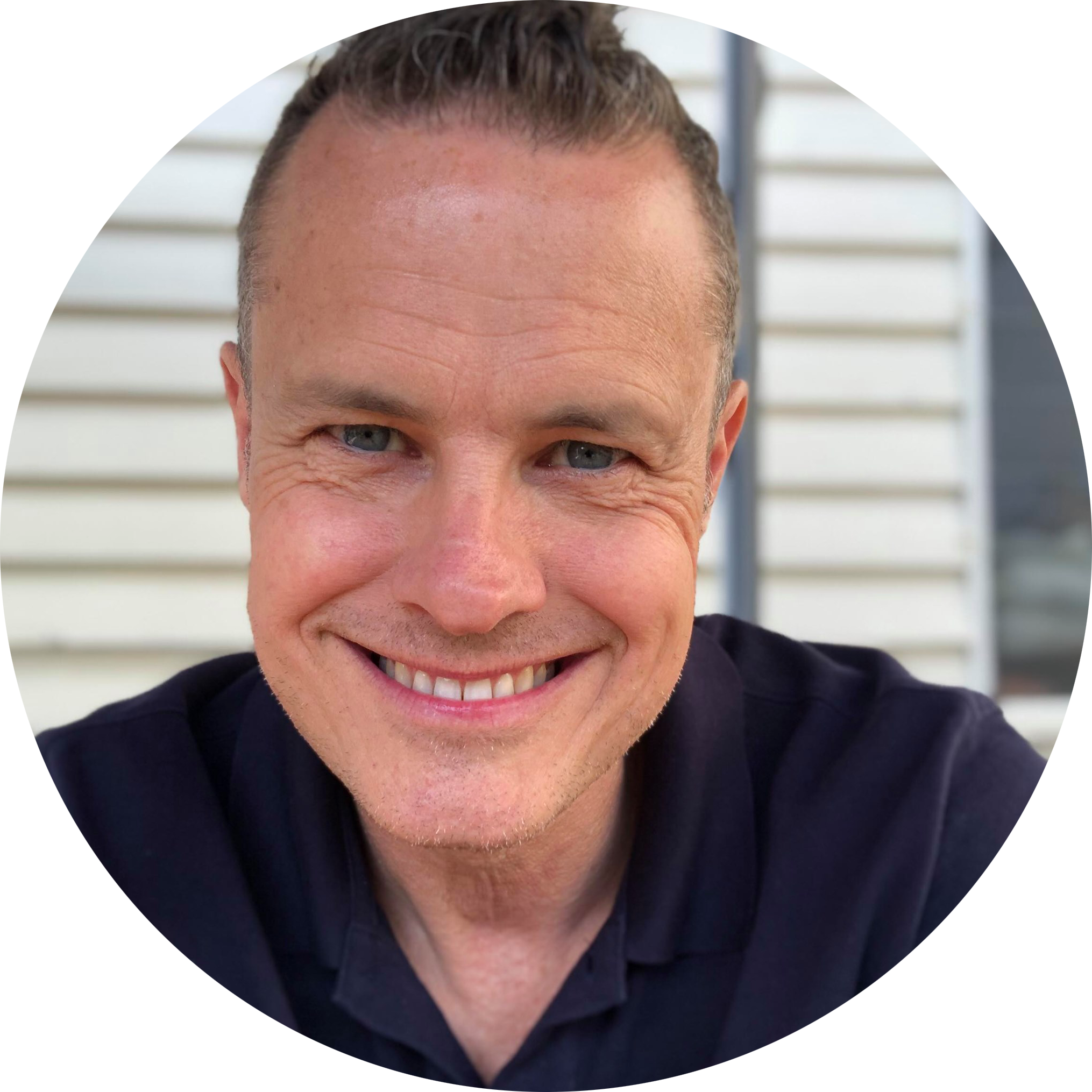
On this episode of the Agency Hour podcast, we are talking to one of our Mavericks Club members, Rene Spiker from Spiker and Co in the Netherlands. He's been around in business. He's been running agencies for 30 years. Over 30 years. He's been in our ecosystem for a while, back when we were called WP Elevation.
And he's here to talk about how AI is changing things, how he's approaching it, what he does, who he does it for.
This is my hope for you, is I've been saying this for over 15 years now. My hope as a result of this episode of the podcast, is that you realize the most valuable person in this whole agency ecosystem is the person that sits between the client and the technology, regardless of what the technology is. You know, back in the day when WordPress happened, web developers were like, well, there goes our job. We don't need. They're not going to need us anymore because they just download WordPress and it's a content management system. Of course, what happened as a result of that? There are more agencies on the planet than ever before because clients needed help with WordPress and then page builders happened and all the WordPress agencies went, well, now we're out of a job because they're just going to download WordPress and use Elementor or Beaver Builder and build their own pages. And of course what happened? Well, there were more agencies than ever because more clients needed more help with the technology.
Now AI is happening and everyone's going, well, I'm out of a job. They're just going to use AI to do it themselves. And what's happening? There's more agencies than ever because clients now know what's possible.
They've seen a glimpse of what's possible with AI. They don't have time to figure it out, they don't have time to do it. They just want an outcome and so they need you to help them. Now I'm not saying you need to be an AI agency, I'm just saying you should be using AI to increase your productivity and add more value to your clients. Now is the best time in the history of the planet to be in the agency business.
With the technology at your fingertips, you can scale a seven figure a year agency with three staff, right? That is my challenge for everyone listening to this. If you're already a seven figure year agency, let's add another seven figures with only three extra staff. It's totally possible and that's a mission that I'm on personally. We have launched another agency, I've started another agency here and we are only serving our existing agency clients. So think of us as the mechanic that fixes the mechanics broken down car on the front yard. We are the agency that works inside agencies and my mission is to get that agency the seven figures a year at at least a 75% net profit. Yeah, totally possible. And that's the mission that I'm on. Just for fun, just to prove that I can do it and also to hopefully share the journey with everyone listening to this.
So without further ado, I'm just going to remind you, if you've got any questions about running your agency, email troyagencymavericks.com I will email you back and hopefully I will answer any of your questions in a future episode. I'll do my best to do whatever I can to answer your questions in an episode or on a YouTube video, but I'll email you back and let you know. And double down. Now's the best time to be running an agency. So double down, avoid distraction, plan the work, make sure you've got a Quarterly plan.
And then work that plan. Yeah. All right, without further ado, let's go and meet Renee Spiker from Spiker Co. Co.
For those that don't know. And for me. How do. How do I pronounce your name correctly, Renee Spiker.
[00:04:50] Speaker A: Yeah, it's Spiker.
[00:04:52] Speaker B: Spiker. So the J is completely silent. There we go. Okay, that's great.
And where are you based, Renee?
[00:05:00] Speaker A: I'm. I'm in Buren.
It's. It's a small town, I think 45 minutes from Amsterdam.
[00:05:08] Speaker B: Oh, cool. Awesome. Is it the same direction as Leiden from Amsterdam or is it different?
[00:05:13] Speaker A: It's Southw. So it's more to Eindhoven, Maastricht.
[00:05:20] Speaker B: Okay.
[00:05:20] Speaker A: It's more to. To Paris, Brussels.
[00:05:24] Speaker B: Okay, got it. So it's more. It's more. It's more west, is it?
[00:05:28] Speaker A: Or East Lane is more west.
[00:05:31] Speaker B: Okay, got it.
I went to WordCamp Europe in Leiden.
Long time ago. I don't know. I can't remember what year it was.
I have to confess something.
I've never been more stoned in my life than when I went to Leiden.
Me and three friends.
I won't say who they are, but me and two friends, actually, we're at WordCamp Europe.
There was another Australian there, and there was another guy there who's American. And we all looked at each other and we're like, we'll go to a coffee shop after Word Camp.
First day, we'll go up, we'll go to a coffee shop. We went at this coffee shop, and I didn't know what to order. And so I said to the guy, just give me something really mild. I just want to have a conversation with my mates and have a laugh, right? He gave me this. This joint called a Black Widow. I said, that doesn't sound mild. That sounds like it's going to knock me over. And he said, no, no, trust me. Said, okay, fine. So I had this little black widow, and it was beautiful. We had a great night.
[00:06:25] Speaker A: Oh, great.
[00:06:26] Speaker B: And the next night we said, well, we're just going to do that again, right? We went back to the same place.
I ordered the same thing. Within five minutes, I could not stand up.
Yeah, I don't know what happened, but I'm sure. I'm sure I'm not the only person that's experienced that in Amsterdam. In fact, I can tell you there were quite a few people at that word camp trip that had a few trouble putting a sentence together the next day. Anyway, now, for those that don't know, who are you and what are you doing here on the Agency Hour podcast?
[00:06:58] Speaker A: Yeah, I'm Rene Spiker. I have an agency in Burn. It's 45 minutes from Amsterdam in the Netherlands and I'm a member of the Mavericks Club.
So we're going to chat about our agency, I think.
[00:07:13] Speaker B: Yeah, absolutely. When did you start the agency? How long you been running it?
[00:07:18] Speaker A: 1991. So that's 30 years ago.
[00:07:23] Speaker B: Hang on.
Wow.
Was it like a.
What was it in 1991? Were you selling newspapers? Was it a digital agency? What did it look like in 1991?
[00:07:35] Speaker A: You didn't have any digital agencies there?
I think we built the first websites in 1995, I think. Well, my family is a printing family, so my brother and father had a printing shop and I worked there for one year and it was a time that the Apple came out with the Mac CI, I think that was the first one or something like that. But all the other printing companies are still in, putting the text manual together with, yeah, films, plates and things like that. And the Mac came out and I was, I think, 20 years old and I told my family to, to buy as a Mac and that cost us, I think it's now $30,000.
[00:08:31] Speaker B: Wow. Wow.
[00:08:33] Speaker A: So that's the starting of the postscript age for the printing industry. That, that's when my company started. So.
Wow.
[00:08:43] Speaker B: We're. We're a similar age. I think you might be a little bit older than me. I was kind of graduating, leaving high school in 1990.
Kind of grew up with the Vic 20 computer. Then we had an Amiga 500. Then we had, you know, and then, and then we got into desktop publishing. I remember desktop publishing was like, yeah, wow. The CD rom, it was like multimedia. It was mind blowing what you could do, what services were you provide? Like, were you printing like annual reports or brochures or catalogs? What were you, what were you doing?
[00:09:14] Speaker A: Yeah, it was all kind of things. It were newsletters, magazines, brochures, flyers, business cards, all kinds of things. Because. Because, yeah, the world wasn't that advanced as, as it is now.
So all was done with, with proofs on faxes and, and dial in modems. Came up, I think in around 1995, something like that.
[00:09:44] Speaker B: Yep.
[00:09:45] Speaker A: So, yeah, I started out with a Commodore 64.
[00:09:50] Speaker B: Yeah. Yeah.
[00:09:51] Speaker A: And there I saw the first drafts of desktop publishing and I was blown away about the capabilities and what you can do with a small computer instead of the big ones that we had at the company.
So, yeah, we bought a Mac in 1991 and started with that Excellent.
[00:10:14] Speaker B: I think it was about 90, I reckon, or 94. Just before I moved over to Melbourne, I was working selling advertising space in a music magazine in Adelaide called Rip it Up. And I would sell, literally selling blank space in a magazine. And it was either a half page, a full page, a quarter page, an eighth page. And then you would send the client a bromide, you would fax them the bromide, which is the proof of their ad. They would approve it, they would fax you or ring you the approval back and then it would go into. And I think at the time, I think the guys might have been using Quark Express to lay out the, the magazine on, on a big computer. I was fascinated. I mean, I didn't make any money in that job because I wanted to hang, hang out in the studio all the time and watch them build the magazine. And they're like, you need to be out on the road selling advertising space so that you'll have a job.
[00:11:00] Speaker A: Right.
[00:11:01] Speaker B: I didn't last there very long. Okay, and so, so fast forward now you're running a digital agency. What do you predominantly sell to clients these days?
[00:11:12] Speaker A: Probably strategy plans and content marketing, because my clients, a lack of strategy.
I serve mid sized clients, clients with a staff of 35 to 200, 300 people. They don't have an own marketing manager in house or they have an assistant sometimes.
And we do the strategy, we write the text, we do practically everything for them to get them on the market.
[00:11:48] Speaker B: And do you have any clients today that you had in the early 90s still, or any connection, like any like children of clients that you had in the 90s that you've still got?
[00:12:01] Speaker A: Yeah, there's still people hanging around from the early days. Yeah, yeah.
[00:12:04] Speaker B: Wow.
Wow.
And so what is. I want to talk a little bit about how things have changed.
You know, as I said, you and I are a similar vintage. And what's happening with AI now is just like, I mean, when we were kids, man, you just could not have imagined how smart the robots were going to get. Right, we'll talk about that in a moment. But when you first decided to go digital, like, I'm curious, how have you managed to change your skill set over the years and also your team, how have you managed to kind of reconfigure who you work with and your team and upskill them over the years?
[00:12:41] Speaker A: Yeah, well, I was always curious about new technologies that helped because when, yeah, we had a lot of changes since 1991.
The websites were one thing. I think 1995 was the first website we built with PageMail from, from. I think that was Apple. Yeah. Or Elvis. PageMaker had that.
But we, we built the first websites.
I started off an Internet company, a website building company aside, that later joined our company as again. But, but then you get digital prints. You get.
That was a big step forward and well, web design was always there and the changes in web design are incredible as well, you know.
But I always trained my team to take some time to learn new things and I always talked about my experience because I also was experimenting with new techniques and see other things.
And in our weekly meeting we always talked about it. And so the company evolves in the years and yeah, we had some rough times as well because when everything goes from.
Well, when everything becomes digital, uh, I had to let people off because I had too many people in my company and. Yeah, yeah.
But yeah, yeah.
[00:14:22] Speaker B: If you've been in business for 30 years, you, you, you, you're bound to go through some hard times even without, even without a technology disruption like the Internet and like AI like you, you've been in business that long, you're bound to go through some, some challenging times. Anyway, how do you. There's a couple of lots I want to unpack you, but let me come back to the hard times in a second.
How do you, how do you carve out time to learn new stuff? Like you. We're all busy serving clients. Right.
And what do you do? Do you like. I'm interested in the technical stuff. You just block time in your calendar and say, right, I'm going to put aside four hours a week where I'm just going to turn off all the distractions and learn new things. Or is it more organic than that? Just like in your downtime over lunch breaks. How do you structure your week like that so that you keep up with new technology?
[00:15:07] Speaker A: Yeah, it's more organic. I think when I was young I had all, I spent all my time behind the computer, so that's.
I think it was seven days a week on work. But the last years I do it organic but also make some time in my agenda to do it. So I block four hours a week for just taking a look at the new things, trying some things out.
You're still learning.
I think you stop learning when you are in this.
[00:15:40] Speaker B: Yeah. And it's like, I just think it's an incredible time to be alive right now because I was talking to friends of mine the other day. I sent them a screenshot of something I was working on. Just some buddies of mine who are not in this industry at all. And they're like, oh, my God, man. You're like, you are.
You're constantly learning. I'm like, dude, if I don't learn something every day, like, what is the point of getting out of bed? Right? Like, I just. For me, it's like, it's like food for my brain.
[00:16:04] Speaker A: Yes. For me, the same. Because, because. And that's why I'm more than 30 years in this business, because I like to learn. I see things and magical things. With AI at the moment, we're doing it ourselves, I.
My jaw drops sometimes when I'm working on something and I think, yeah, this is now possible.
We are more productive than ever.
And the quality of work is so high at the moment because AI is helping you to get better and better
[00:16:38] Speaker B: and better in a real and consistent. Right. Like, consistent.
I've been using Manus a lot lately, and I've kind of dialed in now. Like, I've slowed down and I've thought, okay, I'm treating all my AI like an internal.
Yeah. And so I spent a day, or not a full day, but I spent yesterday, whenever I wasn't on client calls, whenever I wasn't doing content in any white space in my calendar, I was like, right, I'm training manners today how to produce social media images that we can use over and over again. And so I took. I take photos of in the studio and I hand write things, and then I put that into Manus and I say, right, here's an example of what I want. I just want you to produce the same one but with a different caption. Right? And it takes a while, but once you train it and it's producing great content in Manus, you just save that as a skill and you can reuse that skill over and over again. And so then I said to Max, today, dude, we can produce a hundred social media images in about eight minutes, right? And they're consistent, they're perfect. They're exactly what I want. Like, no human can compete with that but you. I think, like, working with a new employee, you have to put the work into training the AI up front. Otherwise it's quality in, quality out. Right? You'll just get slop out if you don't actually train it.
How do you.
How do you manage your overwhelm? Like, and I kind of want to go back to what you were talking about before, about having hard times in business, but also having all this new technology to play with can sometimes be overwhelming. How do you manage your mindset around okay, how do you look at. Which is how do you look after yourself so that you don't burn out? I guess that's the question I'm trying to ask.
[00:18:20] Speaker A: Yeah. Yeah. That's taking some downtime as well because you can't always sit behind the computer, especially at our age.
Well, yeah, I have other hobbies.
I'm still in the fire department here in Burn, so I trained every week and do that kind of things. It's totally different from the work I do.
And I'm also a volunteer with some, some other organizations that.
Yeah, that keeps my head off out of the business.
Yeah, I still, well, like to work. I like my job. I like the way it's going. I, yeah, I'm not the kind of guy who sits down and thinks AI is going to take over my job or something like that.
It's the end of the world, like some people think that is. But. Yeah.
[00:19:22] Speaker B: So your approach to AI is that it's going to help you be more productive and help you provide a better service and more consistent output to your clients. Right. And it's just kind of like having another team member or another three or four team members that are doing particular tasks.
[00:19:39] Speaker A: Yeah.
You can check your work, you can make it better with AI. You can ask for advice and is this the right way? We are doing the right way. I'm thinking about this tragedy and then you get some suggesting you never got before.
It totally thinks outside of the box. So that's also.
Yeah, that's also great. So, yeah, I'm really glad when it.
[00:20:11] Speaker B: And I met, I think in person the first time in Virginia. Is that right?
[00:20:17] Speaker A: No, I think in, In Washington.
[00:20:21] Speaker B: Oh, yes, sorry, that's what I meant. In, in, in at our event.
Yeah, that's right. That's right.
Our MAVCON, our live event, which I think was 2023.
End of, end of 2023, I think it was. Yeah. You'd been in our ecosystem for a bit. You had been, you know, I think you'd bought some of our courses. You were stuff. What, what made you get on a plane and fly to the US and come to a. One of our live events? What, what was the, what were you looking for at that time? Like, what was the problem you were trying to solve?
[00:20:53] Speaker A: Well, I, I saw my, my, my clients and my business was changing a lot since we last did our training with WP Elevation and I felt that I need to catch up, catch up with it, with the industry.
And I thought that the best way to do that is to Meet you, but also other agencies that are in the program and see what they are doing and learning from them.
And well, I never regret that meeting, never coming there because I learned so much in two or three days and I had for months work cut out for myself to change my agency.
Because. Because if you don't change your agency on time, I think, yeah, you're gonna. You're gonna get less clients, less lines, and you have to lay people off and something like that. But yeah, I always try to keep up or be somewhat in front of the. The agency world, so I'd like to
[00:22:00] Speaker B: say I was the smartest person in the room at that event, but I wasn't. There was plenty of. There was Thomas Amos, Adam Silverman, Johnny Flash, Jen Sikowski. There are a lot of really smart people at that event and, and you know, Tim from Thailand and a lot of really smart agencies in the room as well, including yourself. And I think the.
Certainly for me over the years those events are. Have been, you know, you can hang out online all year, but when you meet in person at those events, they're transformational because you just spend like 72 hours talking to other agency owners, telling not only like business stuff, but just telling life stories and connecting with people and realizing that we all come from a very similar background. And then there's lots of just opening the laptop and just sharing, here's how we do this and here's how we do this, and here's what you might learn. One little thing that just gives you an edge or saves you some time. What is it about? And this is not meant to be an ad for what we do at all. But I'm curious for anyone listening to this who might be a little bit skeptical about, you know, a community of agencies or getting into a program like this. What is like, have you always done. Have you always looked for people to surround yourself with people who can help you, who can come in and offer advice? And I mean, I know a lot of people are just like, well, I know everything. I can do it myself. I don't need any help. What do you think is, Is that just who you are or have you. Or have you cultivated that mindset over years?
[00:23:21] Speaker A: Yeah, I cultivated that over the years because when you're young, you think you can do anything yourself. And especially the people of this generation thinks they can always things with YouTube and correct for I think 60 or 70% of the time.
But yeah, surrounding you with the right people and getting advice is something.
It moves you quicker, better in faster time and You. You see things that you normally won't see because, yeah, you have.
Yeah. You're programmed in a way and that you. You can't see everything outside of it. And.
Yeah, how can I. Can I say that? Right.
You get new perspectives from. From people that you don't get if you don't do it yourself, because then your own perspective is leading and you think that's the only way to do it. And if you meet with other agency owners and you talk with them, you hear their side of the story and their perspective, and you learn a lot from it.
[00:24:39] Speaker B: Yeah. Some of the most valuable conversations I've had are with mentors of mine who have.
Whether they're coaching businesses or software or agencies or whatever business it is, who have bigger team than me and who have come across problems that I haven't even thought about yet. I didn't even know they were problems. I don't even know that that would happen. Right. And, you know, I have friends of mine who have big. Who have had big teams in the past and who have shrunk their teams dramatically with AI. Buddy of mine owns a software company. He shrunk his team from 35 to 8. Right. Because he's using AI to write all the code. And he's like, dude, I sleep way easier now because I'm not looking after 35 people on my team.
And I never thought about it like that. It's like, you do feel responsible for your team, and you do kind of have to look after them. Not only, like, pay them, but you need to kind of look after them emotionally and psychologically and make sure that they're performing and make sure that they're looking after themselves. And do that for 35 people is a lot. Tim Kelsey does it for over 100 from Pronto Marketing in Thailand, one of our coaches here.
And, you know, I've had conversations with him. It's like, I didn't even know that was a thing I did. I just had no. And so when you get to that point, hopefully you're a bit more prepared because you've been talking to people who have walked that path. Whereas certainly when I was younger, I think I was guilty of that, staying in my little silo and going, oh, I can figure this out myself. And you can. You can figure a lot out by watching YouTube videos and listening to podcasts, especially now compared to, you know, 30 years ago. But I think having someone sit down with you and figure out what to do next and help you get it done I think is an invaluable. Experience, particularly if everyone in the ecosystem has the same kind of business model. Right. There's no dentists here or, or vets. We're all agencies.
[00:26:27] Speaker A: Right.
[00:26:28] Speaker B: Yeah.
Now you kind of came up through the WordPress ecosystem too, didn't you? You were building WordPress.
Are you still. I'm curious, you're still using WordPress to build websites, do you think?
[00:26:40] Speaker A: Like, is it still building in WordPress with Elementor now and.
Yeah, well, we are trying to get. I'm experimenting with getting AI to do. To make our websites.
For the most part we're still designing itself ourselves with the help of AI, but trying to get a working website just with AI and maintain with AI and I think we are not far from it. I think next year or in two years, people will make websites in the right way, just with AI, I think.
[00:27:23] Speaker B: And do you think WordPress is still a legitimate.
I ask this because I'm having this conversation a lot with people who are in groups, in Facebook groups, in chats, in Slack channels. People are asking a lot. You know, should I be doubling down on WordPress now or.
And I don't know the answer to this, I've tried to, you know, Vibe code some websites and bring them into. And bring them into WordPress. It's pretty clunky at the moment.
I don't think there's a great solution to Vibe code Elementor sites yet.
Maybe I'm missing something, but do you think WordPress is still going to. Do you think we're still going to be using it in a couple of years time? Or do you think we'll be vibe coding our own content management systems in. In Bolt or Replit?
[00:28:04] Speaker A: Yeah, it's hard to say because. Because I saw the new Elementor with AI in it the first testing of that and that looks promising too.
I did some 5 coding with WordPress and Elementor.
It works.
It's not there yet, but it's close because I can make designs together with AI and get templates for Elementor out of it and they are, I think 85, 90% correct, then you have to change only 10% of it.
So it's, it's going the right way, but. But I don't know if you need an underlying CMS like WordPress in a few years under it. So that's probably. We were developing the CMS with the, the website as well in one go because it's easier, it's faster and I think that the, the results is that the website is much faster at.
[00:29:05] Speaker B: Yeah, it is. I Mean, I, I, I, I'm going to ask you some technical questions in a minute which you may or may not be able to answer. And I know this is super nerdy, but I know there's, I know, I can feel it. I know there are people listening to this podcast having the exact same experience. Now. I haven't built a website for a long time. My wife has gone out on her own as a psychologist. She's like, I need a website. It's like, I'll build you one that'll be fun, right? Do it in WordPress, do it in Elementor.
Far out.
It's a lot of work and I'm, and I've been Vibe coding stuff in Bolt over the last few months.
So I said to her a couple of weeks ago, I said, you know what, I'm just going to start from scratch. And I Vibe coded her a website in bulk. It took about an hour and a half and she's super happy with the result. And I'm just Bolt Cloud now, which is essentially Netlify hosting on the front end. Supabase and GitHub. I've got the code in a GitHub repo and bolt is my kind of browser based IDE, if you like.
I'm like, this is it, babe. Like, you're not going to blog. It's a static website, there's no plugins. I've got resend set up so the contact form goes to our email address. We're done. Like, I don't need to put this on WordPress, right?
[00:30:14] Speaker A: No, that's right.
[00:30:15] Speaker B: I don't think that's a scalable solution. But I'm telling you, the WordPress because of the backwards compatibility stuff and because of where it's come from, I think it needs a complete, I just think it needs a complete redo. I don't think there's any leadership in the WordPress project. And I mean that with all respect to everyone who's worked on it. I just think it's floating at sea, completely rudderless at the moment. And I don't know, I don't think it knows what it is or who it's, who it is or what it's doing. So what if, what are you using to vibe code designs and bring them in? Are you doing it in Elementor or are you using Vibe coding and Lovable and then bringing that in and what's the tech do, you know? Or your team doing this or.
[00:30:52] Speaker A: Yeah, I do it myself and my team is also doing it, but we work with Claude Quote And Claude's cowork to design and put it in elementor now.
[00:31:03] Speaker B: Oh, wow.
[00:31:04] Speaker A: And yeah, I've dipped my toes now in maintenance as well. So I think that's a good solution for building the CMS in the back end because I saw really great results with it.
So it probably it's going to be a combination of AI tools. That's be the best solution, I think. Not one AI tool is doing all the work that you want. So. Yeah, we also use ChatGPT or Gemini as well.
Most of the work is in Claude.
[00:31:37] Speaker B: Yeah, yeah, yeah, same. Claude is a lot of fun and I haven't even. I. You're. You're the one that actually has put me on a Claude cowork because I saw that tab appear like a couple of weeks ago on the desktop app. And I'm like, oh, I'm just going to ignore that because I don't. I haven't got time. And you mentioned the other day on one of our calls, and I'm like, all right, Renee's getting ahead of me. I gotta go and figure out Claude co. So I'm asking Claude to teach me how to use co work at the moment. And early signs are. It's. It's amazing.
But again, it's like, how do you. How do you triage? How do you go, okay, well, this is something I need to learn versus this is something I can just park until next week or next month. How do you. What's your compass to make that decision?
[00:32:21] Speaker A: Yeah, well, I'm not trying to switch over things that quickly because if you switch over from one tool to another to another, you never learned the tool the right way. Not all the insights of the tool. So we started out with, I think Most companies with ChatGPT and, and did our work there and then saw Claude and now main is. And yeah, Gemini, and then, yeah, I really like to put in some hours, a lot of hours in a tool before I change it.
Yeah.
Every week or every month, there's a new thing, there's a new tool, there's a new shiny object.
[00:33:08] Speaker B: Yeah, there is. That's right.
[00:33:10] Speaker A: Of them, so.
[00:33:12] Speaker B: That's right. It is. And I think that's the opportunity that we have now at our fingertips is we have all these really highly skilled interns that can work for, you know, a couple of hundred bucks a month, really.
And I think the job that we have is to say, okay, well, what is the bottle? What's the one bottleneck?
Now?
Like, for us, it's images, because we're doing done for your content services for our clients. As you know, the one thing that's going to hold us up is images. And so I said to Max the other day and Jane, there's two ways this is going to roll, right? One is the clients are going to give us a Google Drive full of images.
I don't think that's going to happen, to be honest. Right. I mean, I've been around a little while. I've done. I've had a few clients in the past. Typically, they're not very great at giving you content when you need it. So, you know, part of what we preach to our clients is just do it for them. And so I think we need to set up systems where we can plug a client into an AI and say, right, let's build out a brand guide for this client and then let's have the AI work in a silo. I think Mainus is the. Where we're going to end up with this is it will just produce all the images required for Spiker and co, Right? And those images will be attached to the content, and that will be on brand and will be within the brand guide and the brand style of your agency.
Because if you had time to get images to us, well, you'd already be doing it, wouldn't you? You'd already be, you know, and you're not, which is why you've come to us. And so we're gonna. We don't need to hire, you know, even Max.
We're looking at rolling out a done for your video service as well. And we've been toying around with the idea of building out a team of video editors in the Philippines. And Max just said to me today, he's like, dude, I think what we're gonna need to do is build out a small team of people who know how to vibe edit. Because vibe editing is now a thing. He's doing it. He's not touching the keyboard. He's talking to the computer and telling the robots what to do with the edit. And the robots are editing the video. And he's like, I don't need to be a video editor anymore. I just need to know what done looks like and how to describe it. And so that all of a sudden has. Now we've gone, okay, we've been holding back on this done for your video service because we don't have capacity.
Now we're thinking this might happen in the next three months as opposed to the next six months. Right. We might just bring it forward because we have the Capacity because of AI. And so I think the challenge for all of us is to figure out what is the bottleneck that if we unlock will either improve our profit or help us grow revenue and bring more clients on. Right.
What I'm curious about is how productized is what you do for your clients. Like do you have clients come in where you just kind of have to do custom bespoke stuff for them or is, or is what you do for your clients pretty much the same all the time?
[00:36:08] Speaker A: No, it's. It's mostly bespoke because people come with us with the complete package of questions. There's not only SEO and not only your website, but it's mostly a marketing issue or a big branding issue at that moment. So it's bespoke. But we are.
The last two years we did productize a lot of them, but we made a system, you can pick things out and then it makes a complete package for a client and one client is somewhat others and then others. But we trying to productize as much as we can because then you can automate it with AI. And the problem with AI is if you do only bespoke work, you teach it every time again. And that's.
[00:36:59] Speaker B: Yeah, yeah, that's very, that's.
Then you're very difficult and impossible to scale.
Now how do you, how do you know what to do with the team? Like other. Are there services that you just don't provide? We just like, we just don't do that because it's not within our wheelhouse. And are you happy to say no, we don't do that and refer people on. Or are you trying to be everything to everyone?
[00:37:22] Speaker A: No, there are things that we are not doing, but that's mostly manual work, I think, like finance and that kind of things.
And we are outsourcing social media marketing, so that's something we don't do in house, but we have freelancers that do that for us.
But yeah, I must say that with AI that's also coming closer to us now because AI can solve a lot of the problems as well.
And you see also in social media marketing and social advertising that AI is becoming very big there.
So probably it's going to be another computer in our company that's going to solve that problem as well.
[00:38:21] Speaker B: Right. With a bunch of agents working on it. Just a dedicated, you know, imac or something. Just running. Yeah, yeah, yeah. Running a whole bunch of workflows.
[00:38:30] Speaker A: Yeah. Also I have some AI programmers externally and because there's so much going on in AI that I can spend all days on it to, to or I can talk to people who do that for us. Right.
[00:38:46] Speaker B: And the, the like we just don't have time to build all the things that we want to build. Even though AI is so fast, we just. Right. We just don't exactly. This is what I'm realizing too is the opportunity cost, isn't it? Of you could spend 20 hours a day talking to AI on the computer and you still wouldn't have all the time to do the things that you want to do.
I know, I know you, I know you partner with each a little bit. They're a big partner of ours. They do have AI AI services. And I'm now, I'm now at a point I think where I've built some stuff from. Like I just can't get this over the line like in order for me to get this over the line. And also I'm a hack of a developer, right. So there's probably security vulnerabilities right through this thing. So I need someone to look at it and go this is not production ready. But we can get a production ready. So I'm pretty close to pulling the trigger on getting one of E2M's AI guys in here to work with me because I'm just, I'm just at capacity, right? I'm just stuck now. Like I just can't get it done. And that's just internal stuff. I'm not, not even talking about doing anything for the clients. Just internal work.
When true agentic I like I've got a bunch of little apps on my Mac that I'm trying to just. I'm trying to get off the keyboard completely. I'm just trying to talk to my computer with my AirPods and have it do things, a few things. Little birds working pretty good. It's like scheduling appointments for me. It's checking emails, it's responding to emails and I'm just talking to it. It watches what I'm doing on the screen. So it's got good context. It's not bad, you know. But when true agentic this is a futurist conversation or question. But when true agentic AI happens and we don't actually need to type on the keyboard anymore, how do you think that's going to change the way that we work if we're not trapped looking at a screen and we can just talk to the AI, anything that's going to.
[00:40:26] Speaker A: It will make the productivity of yourself and your company skyrocket, I think because then only you need to have people Talk to the AI and watch the AI delivers is the right stuff and all the things in between the production things that's going to happen with AI, I think. So what you need to invest in yourself is to be.
You must be strategic. You must know what you need to deliver to a client to get results.
And AI can help you, but you still need to do it yourself because every client is different, every country is different.
That's also something. We are having a lot of clients that have multiple agents or departments in the rest of Europe and every language is different, every culture is different. And you can do a lot of things with AI, but you also need to have the human in the loop for the strategy there because otherwise it's gonna gonna fail.
[00:41:40] Speaker B: And even with things like GDPR and you know, I know that I remember being at WordCamp Europe and talking to some of the, the German companies there and they're like, dude, WooCommerce is just like at that point, which is not compliant in Germany. It was like, like in terms of E Com, there's like so many regulations that are very specific to Germany, right. And so you know, oh well, I vibe coated it with lovable is not going to hold up in court.
[00:42:05] Speaker A: That's right, yeah. Yeah. So, so that's all. You also need a human in loop, I think.
But for your company, it means your agency is changing from production workers to only strategic workers and people who know stuff instead of doing things that they are being told to.
[00:42:27] Speaker B: Yeah, 100%. 100%.
When, when, when WordPress happened, I remember I built my first content management system. I wrote it in PHP in MySQL in Notepad plus on an old Sony VAIO laptop. And then WordPress happened. I was like, holy shit, I can do in half an hour what took me six weeks to build this thing, right? And then custom post types happen, right? And then page builders happen. And everyone, I remember when Beaver Builder landed, everyone was like, oh, we're out of a job.
No one needs a WordPress developer anymore.
WordPress has just grown. What? WordPress agencies have grown and grow. Then elementor happen, right? And then click funnels happen and then now AIs happen. I've been saying this for over 15 years. The most valuable person in the whole ecosystem is the person that sits between the client and the technology.
[00:43:15] Speaker A: Yeah, that's. That's right. And he's still gonna sit there because the client doesn't know how to do this. And to know how it's.
[00:43:24] Speaker B: That's right.
[00:43:25] Speaker A: It just wants results and wants to run his company and not your company.
[00:43:31] Speaker B: Yeah.
You're working with bigger clients. I will admit. You are working with, I would say most of the people that I talk to in this space work with small business owners. Right. You're working with slightly bigger clients.
A lot of people are scared to go after mid market clients because they feel like the stakes are higher.
I'm going to be going to be charging more, but now there's more responsibility.
If you could go back and talk to a young up and comer who's starting an agency and they're in their early 30s and they're just, you know, what's the mindset between dealing with a small business and going after a mid market client? What, how did, how's it different?
[00:44:15] Speaker A: Yeah, well, actually there is.
Yeah. The difference is that you combat strategy in front of it.
So if you work with smaller companies, and we did it ourselves a few years ago as well, you only go for the results. So people come for a website, you build a website. People come for Google Ads, you make Google Ads. And now the change is that you first going to talk to the client. Is that really what you want? Or is it you want more clients or is it you want more workers in your company? Because there's this.
Yeah, you can't get for some, some jobs, you can't get people here in the Netherlands, in Europe because they are not enough of it.
So that could be the problem. But then the solution is not always build a website or a web page or put some ads online and then it's not solved. Everyone is doing that.
So you need to talk with them about the strategy to get more people for that company or get more clients for the company and you then you find out what the real problem is of that company and then you're going to build stuff and that's the change you have to do.
You do a lot more work to get such a client. But after that it's far easier because all the plans are there. You can, you have less communication about what should I write on that website or do you need this or do you need that? Because it's all in the plans and you only have meetings with a client about how it's going, how's the weather
[00:46:08] Speaker B: outside, things like that.
[00:46:10] Speaker A: Because almost running on itself. Yeah, right.
[00:46:15] Speaker B: And at that point you, at that point you're investing in the relationship with the client. Yeah. You're not answering questions like why isn't the thing being done? Because you, you know, with this great saying here, plan the work and then Work the plan.
[00:46:28] Speaker A: Yeah.
[00:46:28] Speaker B: Right. And a lot of. A lot of. A lot of agency owners just are too scared to sell. That planning stage, we call it paid discovery. People just don't sell that upfront because they don't think people will pay for it. Right. But the moment that you sell it up front and the moment that you install that in your agency, you watch a lot. A lot of other things in your agency run smoother, your team is happier, expectations are easier to manage, and the
[00:46:55] Speaker A: client is happier as well and stays for a longer time, and you get more work out of them because they are happier.
That's the real thing. And if you only work with small clients, well, you deliver your website. You will see them mostly for. And not for a year or two years, and then they come back, something is broke or they need.
[00:47:19] Speaker B: That's right. Yeah. 100.
[00:47:22] Speaker A: So much communication, and so you need so much clients. Then we have a pretty small amount of clients, but they are big and it's easy to them. It's very. Yeah. I have a steady income of work
[00:47:37] Speaker B: here, and it's recurring revenue rather than just project revenue. Yeah. I. I was talking to an agency only the other day. It had 150 clients that he was hosting WordPress websites for, wasn't charging them anything, wasn't even doing care plans, hadn't spoken to any of them about any other services. I'm like, dude, you're sitting on a million dollars a year.
Pick up the phone and call them. Right.
[00:47:59] Speaker A: Like, yeah. And charge them for hosting and for cap plans and things like that. That's how we started it. And now we're selling a lot of recurring revenue.
[00:48:11] Speaker B: Awesome.
Hey, I'm respectful of your time and everyone else's time. It's called the Agency Hour podcast for a reason. I don't want to go over the hour. So I want to thank you so much for spending some time with us here and sharing your story. And also, one thing I love about this is that, you know, I don't.
I want people to understand that it doesn't matter where you live.
It doesn't matter what services you're providing. It doesn't matter how long you've been in business. It doesn't matter how old you are. I mean, Renee and I. I mean, I'm 52. You're probably a couple of years older than me. Right?
[00:48:40] Speaker A: Like 57.
[00:48:41] Speaker B: 57. There you go. Right. Like, this is. And you're still. You've still got the mindset that we are valuable to our clients because of AI. Like, they, our clients are now seeing all this possibility and they still need our help.
So I'm hoping that this conversation is going to inspire one person to just double down and keep going. I think it's a great time to be running an agency and I love the fact that I get to talk to people all over the world. It's five o' clock or almost six o' clock in the afternoon here where I am in Melbourne. And I love the fact that our reach is all over the world and that we're having a positive impact on people all over the place. It's very rewarding business for us to be in. So thanks so much for coming and sharing some of your experience with us on the Agency Hour and I look forward to continuing to work with you.
[00:49:27] Speaker A: Thank you very much for the conversation.
[00:49:30] Speaker B: Awesome.
Well, I hope you enjoyed that episode of the Agency Hour podcast. Thanks for listening. Subscribe, like, share, do all those wonderful things for us on the algorithm so that we can get this podcast in front of more people. And again, if you've got any questions about running your agency, it's simple, just email me troyagencymavericks.com that is my personal, personal email address. And yes, I read every single email that comes in. So, you know, just email me. And a huge shout out and thank you to Renee for spending some time with us. I love the fact that he's in a country that we don't often hear from on podcasts, right? He's like full transparency. He's in the, in his 50s like me, right? All we see is these pro marketers in America driving Lambos, man, and like making heaps of bank, right? And I love the, the fact that we have agencies in Australia, New Zealand, the us, Canada, South Africa, South America, Malta, Thailand, the Philippines, the Netherlands, the uk, Scotland. I love the fact that agencies all over the world are benefiting from being a part of this community and learning from each other. And it doesn't matter what services you sell, as long as they're marketing related services. We have video agencies, we have web design, web development, we have AI agencies, we have content, we have strategy agencies, we've had YouTube growth agencies, podcast growth agencies, right? Social media, short form reels agencies, right? Whatever you're selling, if you're selling a marketing related service to other businesses, you're in the right place. So yeah, enjoy the podcast, send me an email, let me know what you want us to cover. And let's make 2026 your best year yet. I'm Troy Dean. Let's get to work it.